
Expert Frozen Shoulder
Treatment in Kolkata
Restore Full Shoulder Motion — Non-Surgical & Surgical Solutions by Dr. Manoj Kumar Khemani
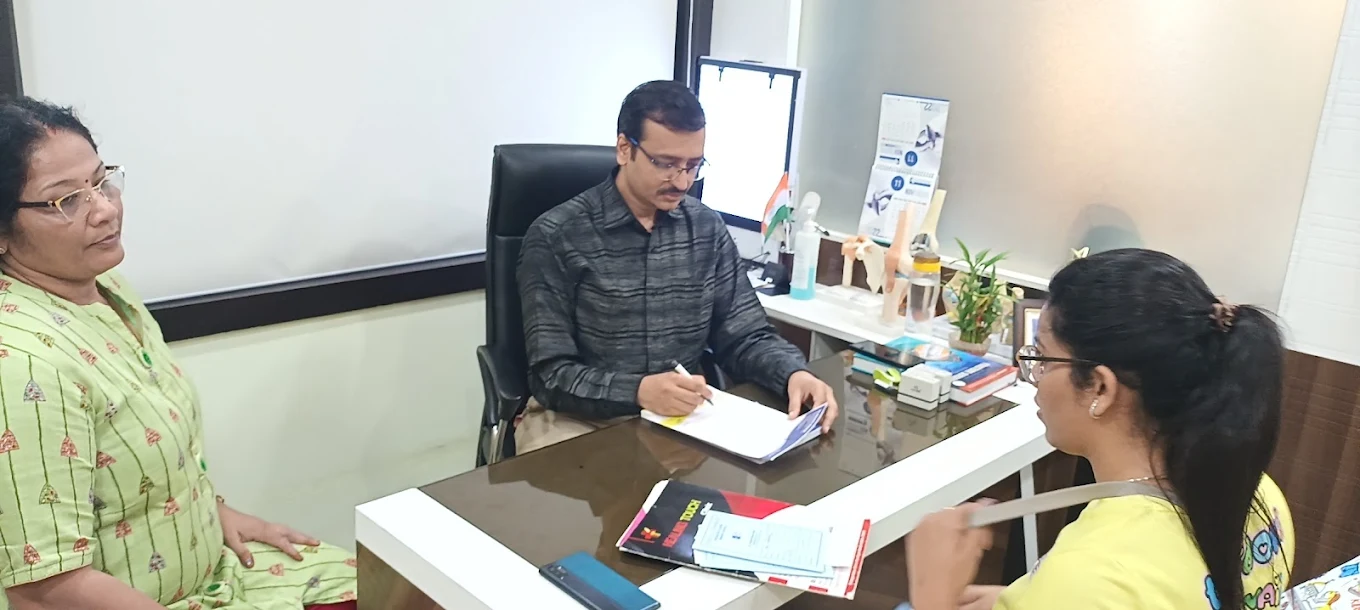
Living with a frozen shoulder means struggling with everyday tasks — combing your hair, reaching for a shelf, dressing yourself, or even sleeping comfortably. Dr. Manoj Kumar Khemani provides comprehensive frozen shoulder care, from early-stage physiotherapy and injection treatments to advanced arthroscopic capsular release for persistent cases. With 24+ years of experience, he helps patients across Kolkata regain their shoulder freedom.
Exp.
Patients
Rate
What is Frozen Shoulder?
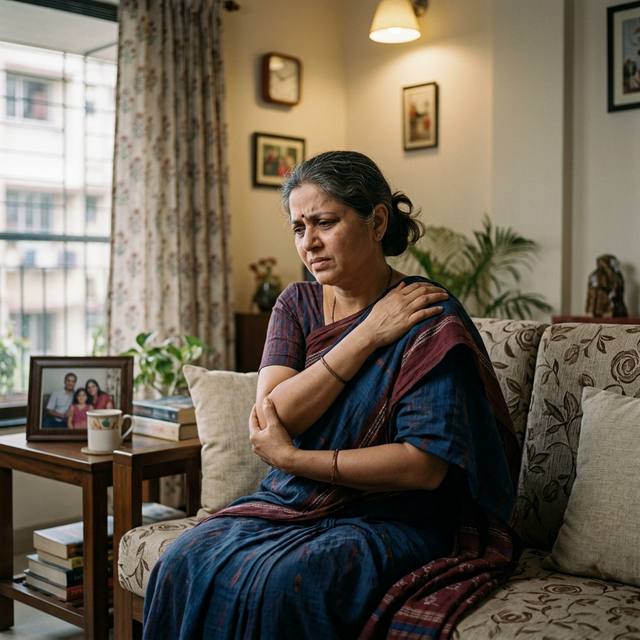
Frozen shoulder (adhesive capsulitis) is a condition characterised by progressive pain, stiffness, and severe restriction of shoulder movement. The shoulder joint capsule — a membrane surrounding the joint — becomes thickened, inflamed, and develops adhesions (bands of scar tissue), dramatically reducing the joint's range of motion. The condition typically affects people aged 40-65 and is significantly more common in women, diabetes patients (prevalence up to 20%), and individuals who have had prolonged shoulder immobilisation (after surgery, fracture, or stroke).
- Three Stages:Freezing (2-9 months), Frozen (4-12 months), Thawing (5-24 months)
- Diabetes Connection:Up to 20% of diabetics develop frozen shoulder
- Both Shoulders Possible:20-30% of patients develop it in the other shoulder
What Causes Frozen Shoulder?
The exact cause is unknown and there are several theories about its cause. Many physicians believe the causes are linked to myo-fascial trigger points associated with the muscles of the shoulder. Slowly the muscles become less flexible and the corresponding shoulder joint gradually becomes locked into place over a period of time.The main symptoms are:
Decreased motion of the shoulder
Stiffness
Pain
Night cramps
Insights of Adhesive Capsulitis Management
The Stages of Frozen Shoulder
Adhesive capsulitis develops gradually and significantly worsens before it begins to resolve. Recognizing the stage ensures appropriate intervention.
Stage 1: Freezing (2-9 months)
Gradual onset of pain that worsens over weeks. Pain is often worse at night, and activities like reaching overhead become painful.
Stage 2: Frozen (4-12 months)
Pain may decrease but stiffness becomes severe. Significant loss of active and passive range of motion. Daily activities are affected.
Stage 3: Thawing (5-24 months)
Stiffness slowly resolves over months and range of motion begins to improve. Full recovery may take 1-3 years without treatment.
Why Expert Frozen Shoulder Treatment Makes a Difference
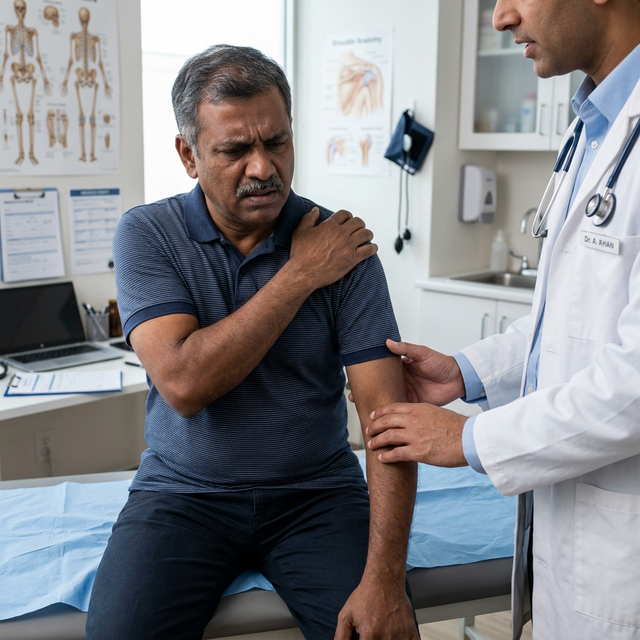
Regain full shoulder rotation, comfort during sleep, and complete independence with specialized care.
Months to Faster Recovery vs Years
Years of Orthopedic Excellence
Commitment to Pain-Free Shoulders

Faster Recovery
Expert treatment can dramatically reduce your recovery timeline from 2-3 years to just 2-3 months.
Stage-Appropriate Treatment
Different stages (freezing, frozen, thawing) require entirely different approaches. Expert assessment ensures the right intervention.
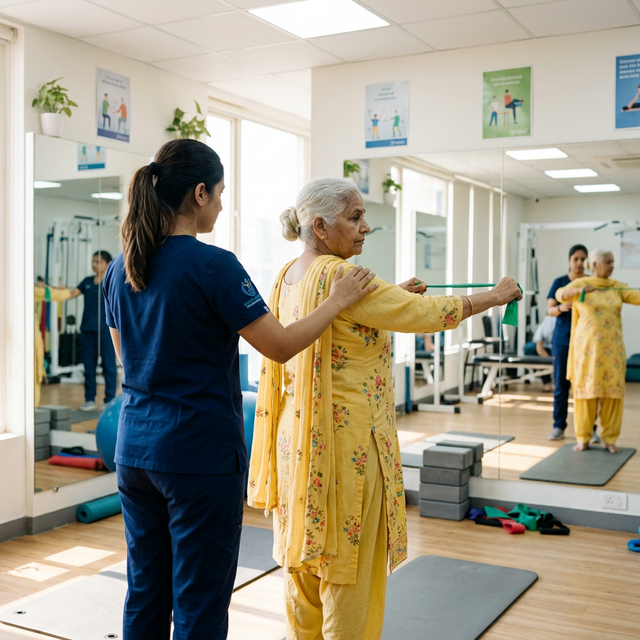
Prevent Permanent Stiffness
Timely intervention with physiotherapy or surgery prevents residual motion loss and permanent capsular contracture.
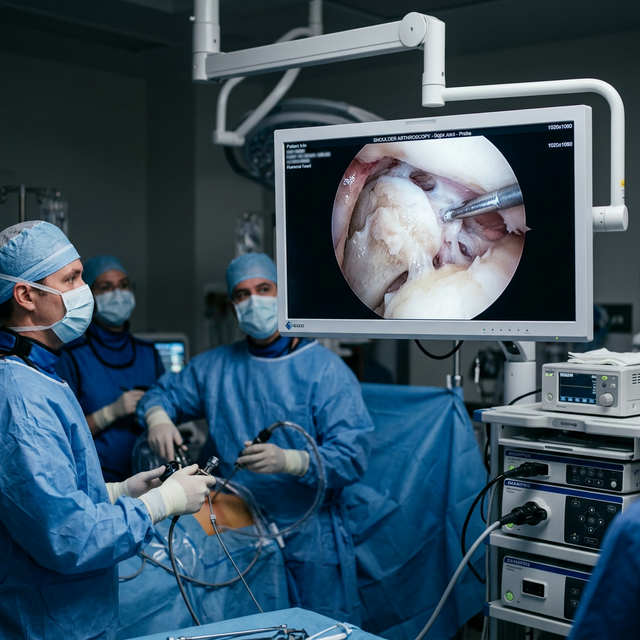
Minimally Invasive Options
Arthroscopic capsular release is performed through tiny keyhole incisions, providing immediate motion improvement.
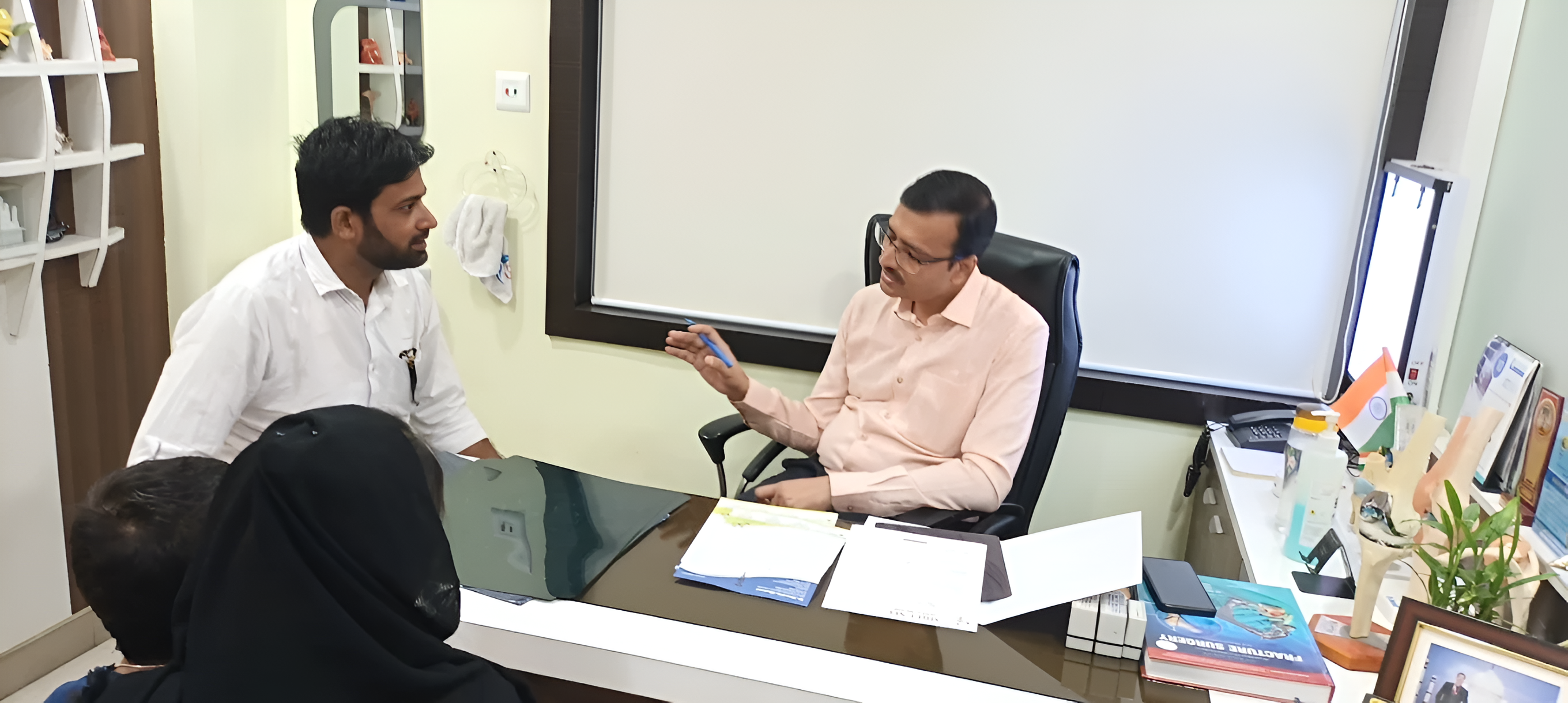
Dr. Khemani's Approach to Frozen Shoulder Treatment
Accurate Staging First
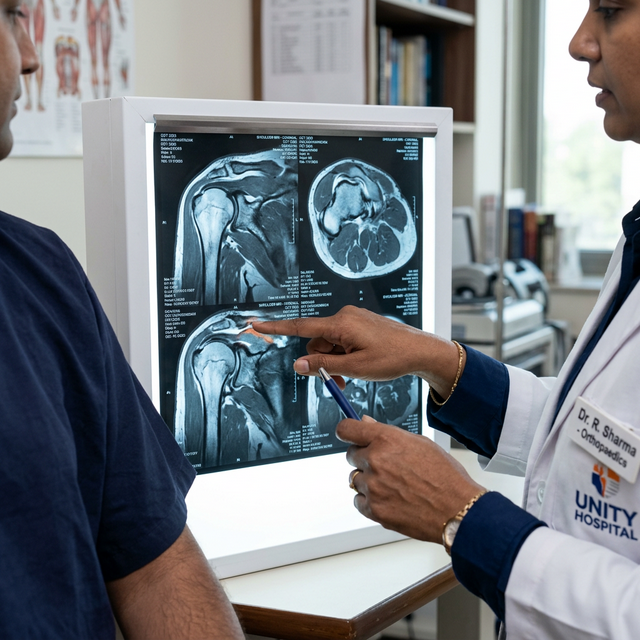
Always confirm the exact phase (freezing, frozen, thawing) using imaging and clinical markers to determine the safest next step.
Exhaust Conservative Options
A strong emphasis is placed on intensive, guided physiotherapy, supplemented by cortisone injections to break the pain cycle.
Precise Surgical Unblocking
Reserving arthroscopic capsular release exclusively for refractory cases where intensive therapy yields no functional improvement.
Relentless Post-Op Care
Insisting on immediate, aggressive post-surgical motion and physiotherapy to prevent secondary adhesions from forming.
What is Prognosis?
Treatment with only physical therapy and non steroidal anti-inflammatory drugs will usually restore motion and function of the shoulder within 6 months. Recovery is faster if treatment is started early.
Prevention of frozen shoulder
One of the most common causes of frozen shoulder is the immobility that may result during recovery from a shoulder injury, broken arm or a stroke.
If you have had an injury that makes it difficult to move your shoulder, talk to your doctor about what exercises would be best to maintain the range of motion in your shoulder joint before it reaches the frozen shoulder stage. Start a rehab protocol as early as possible.
If you haven’t had a recent shoulder injury and are still experiencing shoulder pain and stiffness that limits your range of motion for an extended period of time, once again contact your doctor for an evaluation. Early treatment and physical therapy can lead to fewer complications and quicker recovery.
Key Surgical Advantages
- Precision Cutting:The thickened, contracted capsule is carefully released using advanced radiofrequency wands without damaging normal tissue.
- 360-Degree Mobility:Full shoulder rotation is restored immediately on the operating table.
- Keyhole Technique:The entire procedure is performed through three tiny 5mm incisions, ensuring minimal trauma.
- Same-Day Discharge:Patients recovering from this procedure typically return home the very same day.
- Immediate Rehab:Physiotherapy begins within hours of surgery to maintain the newly gained motion and prevent scar formation. In cases where shoulder stiffness is caused by severe joint damage or arthritis, patients may need to consider advanced surgical options for shoulder joint problems for long-term relief.
The Target: Regain the 180° Range
Post-surgical or post-injection rehabilitation focuses entirely on restoring complete overhead reach and total external rotation to give you your life back.
The Road to Independence and Complete Mobility
Treatment success isn't just measured on the operating table; it's measured by you regaining the ability to perform basic life functions without hesitation or pain.
Functional Improvements After Treatment
Pain-Free Sleep
Ability to sleep on the affected side again without waking up in agony.
Reaching Overhead
Putting dishes in high cabinets without painful hesitation.
Personal Care
Dressing, combing hair, and reaching behind your back effortlessly.
Driving Comfort
Reaching for the seatbelt and steering comfortably.
Daily Independence
No longer needing assistance for basic daily physical tasks.
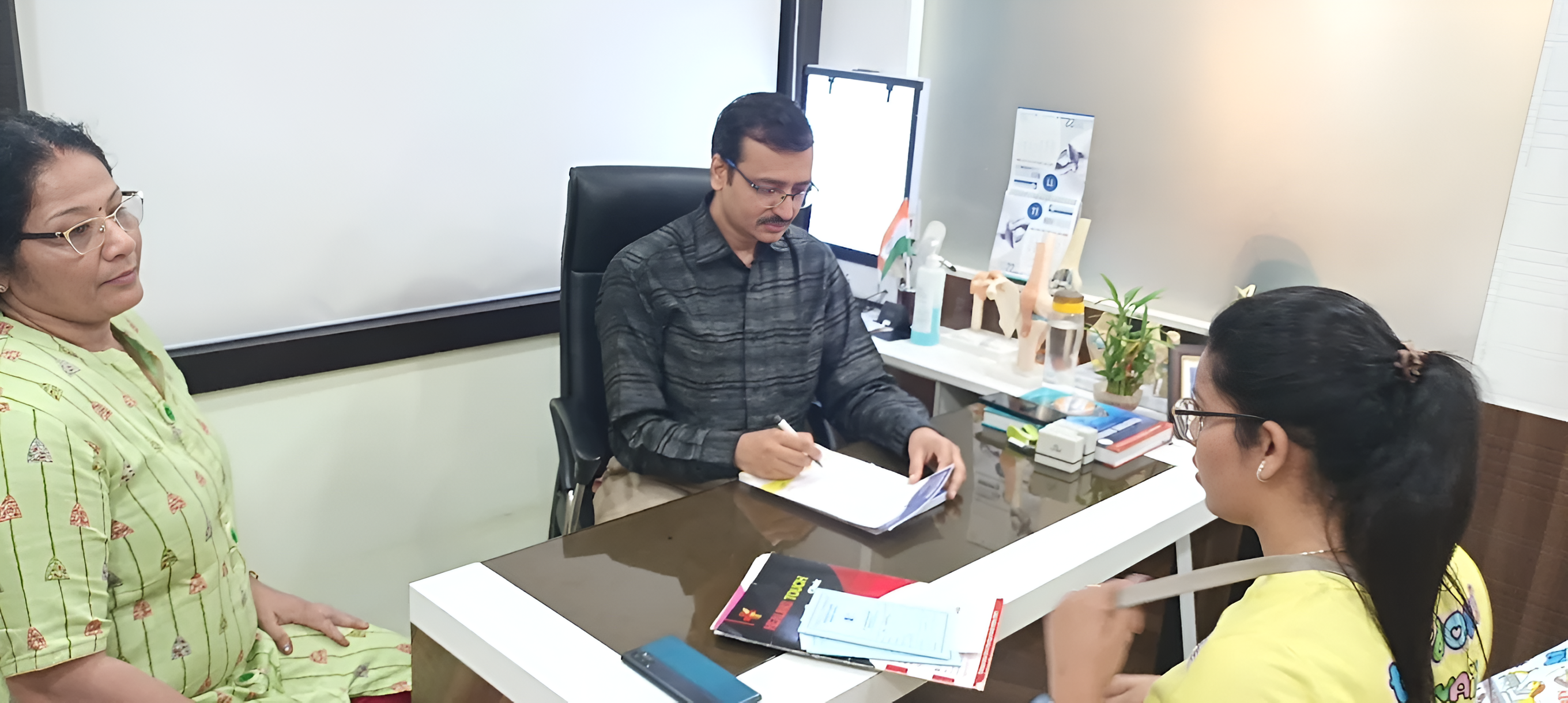
Stop Letting Frozen Shoulder
Dictate Your Life
Whether you're in the painful freezing stage or struggling to regain motion, Dr. Khemani offers targeted solutions to unfreeze your shoulder faster.

Unique Approach To Your
Health Needs
"I am so much benefitted with Dr Manoj kumar’s heel pain treatment, that i am perfectly fine now. He has so much knowledge that for everything my family takes his reference. He is so pleasant to talk to and always ready to answer your doubts."






Why Patients Trust Dr. Khemani
For Shoulder Care
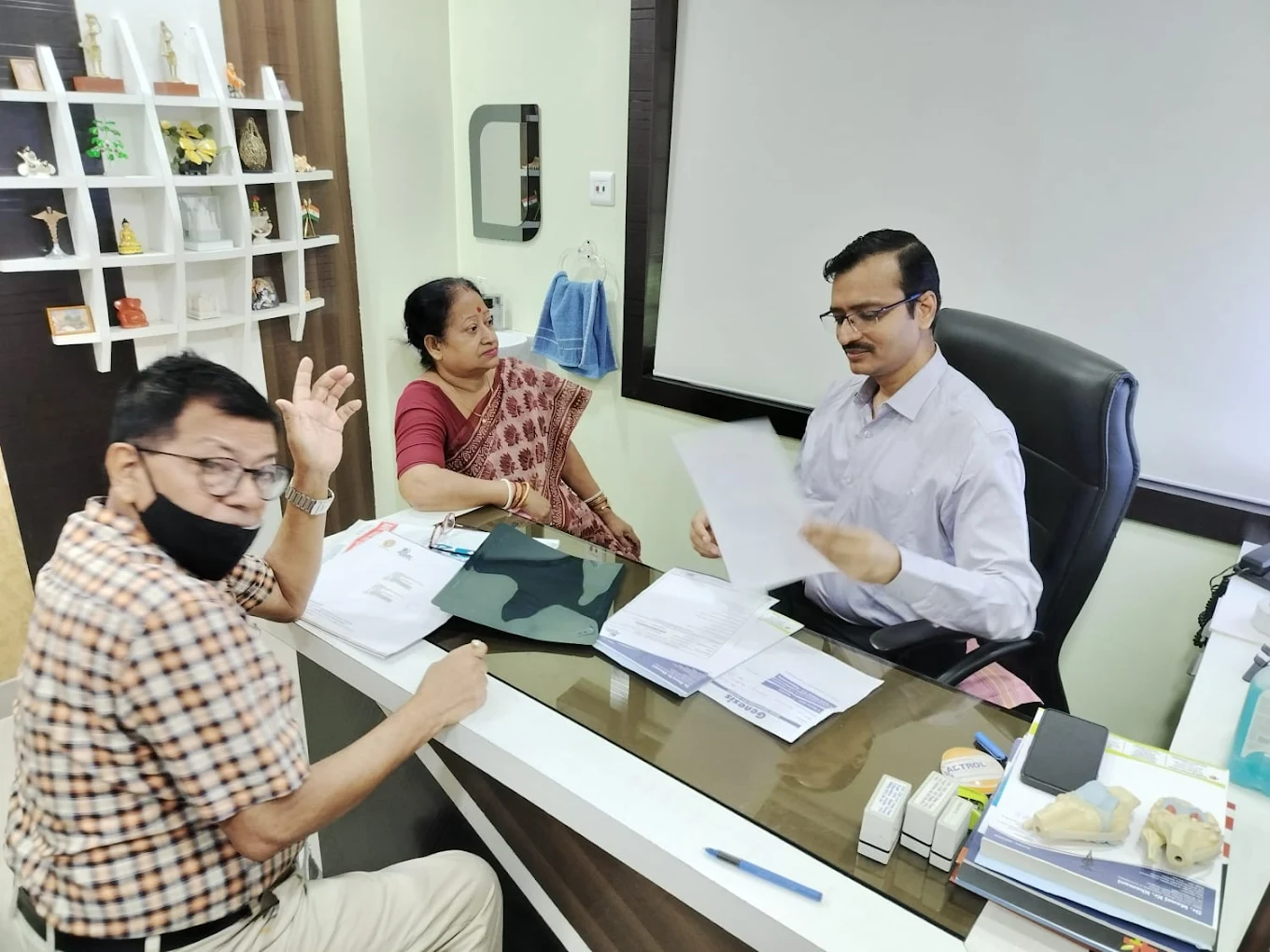
With over 24 years of specialized experience and thousands of complex shoulder cases successfully managed across Kolkata, Dr. Khemani champions a multi-disciplinary approach. As a pioneer in arthroscopy, he seamlessly collaborates with top physiotherapists to ensure your recovery is expertly planned and permanently sustained long after treatment.
“Living with a frozen shoulder is an incredibly frustrating journey. My priority is to take the time to explain the stages, risks, and realistic expectations—and then to deliver an intervention that genuinely gives you your independence back.”
Frequently Asked Questions
Find answers to the most common questions about frozen shoulder, from diagnosis and treatment to recovery expectations.
Yes, adhesive capsulitis is technically a self-limiting condition that may resolve on its own over 1.5 to 3 years. However, most patients choose treatment because the pain severely impacts sleep and daily life, and early intervention can shorten this multi-year timeline into a few months while preventing permanent stiffness.
When administered accurately under ultrasound guidance into the joint capsule, patients typically experience significant pain relief within 48 to 72 hours. This relief breaks the pain cycle, allowing the patient to finally perform the necessary stretching exercises.
The surgery itself is performed under general or regional anaesthesia, so you feel nothing. Post-operatively, pain is actively managed, and patients often find that the surgical pain is significantly less than the chronic agonizing pain they experienced during the "freezing" stage.
It rarely recurs in the exact same shoulder if you strictly adhere to your post-operative physiotherapy protocol. However, if you are diabetic or have thyroid issues, there is a 20-30% chance it may develop in your opposite shoulder in the future.
Most patients can return to driving within 1 to 2 weeks post-surgery, provided they have regained sufficient motion, are entirely off prescription pain medication, and feel confident controlling the steering wheel.
Begin Your Path to Pain-Free Living


Manipal (AMRI) Hospital, Salt Lake
JC-16 & 17, No. 3A, Broadway Rd, opp. to Stadium Gate, Sector 3, Bidhannagar, Kolkata, West Bengal 700106
Manipal (AMRI) Hospital, Mukundapur
5230 Barakhola Lane, behind Metro Cash n Carry, Purba Jadavpur, Mukundapur, Kolkata-700099

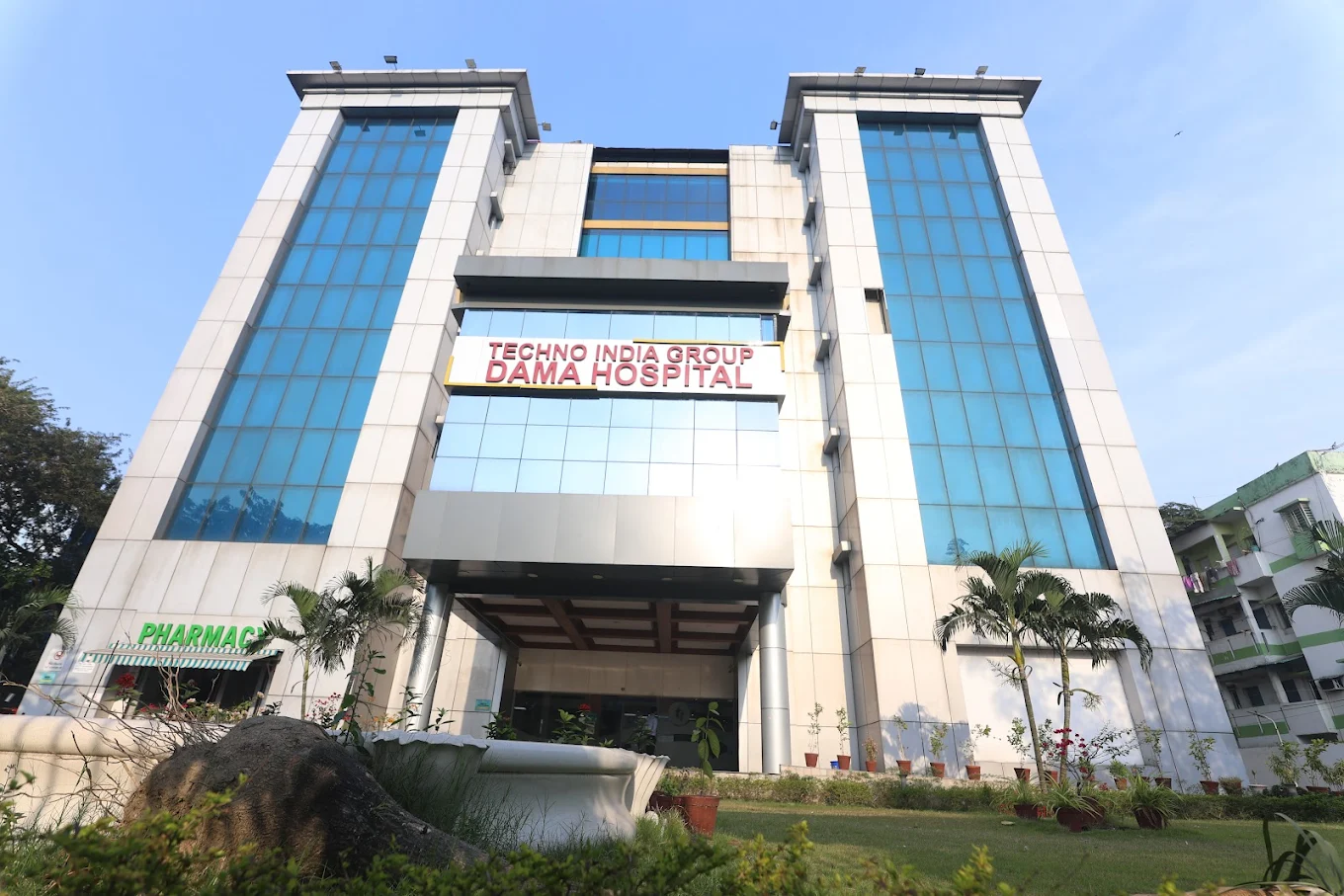
Techno India DAMA Healthcare & Medical Centre
LB 10, Eastern Metropolitan Bypass, Chingrighata, LB Block, Sector 3, Bidhannagar, Kolkata, West Bengal 700106
 Hospital, Salt Lake.webp)
 Hospital, Mukundapur.webp)
Kolkata
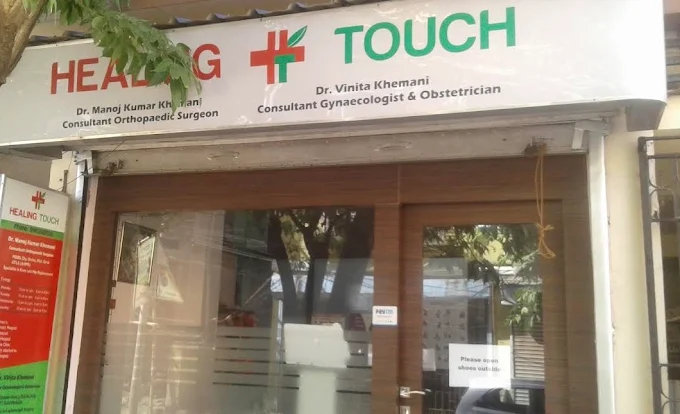
Healing Touch Clinic
State-of-the-art facilities equipped with modern medical technology for the best treatment outcomes.
Schedule a Consultation Today with Dr. Khemani
Book Your Consultation
Fill in your details below